


google adsLinkedInMeta Adsmicrosoft advertisingPPCTikTok
Choosing the Best PPC/Ad Platform: 5 Key Considerations
When deciding which ad platform to use for your business, consider these 5 key factors to effectively reach your target audience and achieve your marketing goals.


The above question often marks the beginning of an ads-based conversation we would have with a client. With a plethora of options like Google Ads (Search, Display, YouTube), Meta Ads (Facebook, Instagram, Messenger), LinkedIn Ads, Microsoft Ads, TikTok, and Spotify, it can be challenging to decide which platform offers the best solution for your business.
While this blog won’t tell you which platform to choose over another, it will walk you through some of the reasoning and knowledge we apply when a client asks which platform they should use.
Who are your target audience?
You need a clear concept of who and where your audiences are before you start thinking about ads. If you don’t have a good idea of your target customer profiles, it’s better to take a step back and figure this out rather than waste time and budget on ads.
Most of the ad platforms we are discussing have AI-based targeting, which allows you to run ads without precise targeting. While these AI-based targeting options are worth testing, we recommend using customer profiles at the start of campaign targeting to help achieve better results.
What is the main objective of your ads campaign?
The reason for wanting to run ads and the objective of the ads generally correlate positively, so this shouldn’t be a hard question. For example, if you want more brand presence, the objective of any campaign will be awareness. If you want more users to visit your site, the objective will be to drive traffic. If you want more leads, the objective will be to generate leads, and so on.
It is a good idea to set SMART goals and/or Key Performance Indicators with the person or team running the ads to define your ad objective and how it will be measured and achieved.
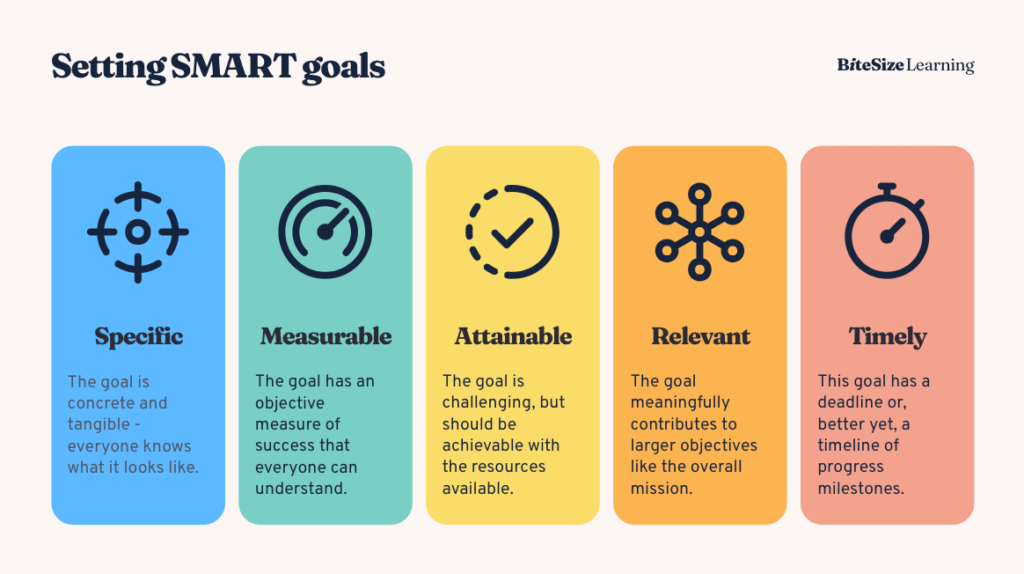
(Source: bitesizelearning.com)
What is your budget range?
Your budget might not seem important at this stage, but it will dictate what platform is chosen and what ad type you use. For example, LinkedIn Ads’ minimum daily spend is £10, TikTok Ads has a minimum daily spend of £20 per ad group or £50 per campaign, and Spotify Ads has a £250 minimum spend per ad set, while Google, Meta, and Microsoft have no minimum spend. Therefore, mapping your budget against each platform could be useful, though with most campaigns, the spend will also dictate how successful your campaign is at achieving your goal.
While budget might dictate what platform is chosen, it may also dictate what type of ad you can run to achieve your objective. For example, a search campaign designed to dominate a group of keywords may require more budget than a campaign designed to build awareness.
What sort of assets do you have/need/can be created?
Asset creation is becoming easier with software like Canva and the many AI tools available, though it’s important that your assets align with your objective. Therefore, you need to have an idea of the resources that could be used or what assets could be created. The marketing team you are working with should have an idea of what assets you need, though if you want a head start, here are the current asset specifications per platform:
Meta (Facebook & Instagram) Ads Guide
Spotify Ads Formats and Specifications
Who’s on each platform?
While all platforms mentioned will have a good variation of targeting options, it helps to know what demographic ranges use each platform, their average monthly user count, and if the platform leans towards B2B or B2C. Below is a basic global breakdown of each, though we suggest supplementing this with your research (for example, location-based and by inner platform networks):
Global demographic breakdown per platform:
| Age Group | Microsoft | TikTok | Spotify | ||||
| 18-24 | 21.9% | 23% | 31.7% | 24.5% | 17.7% | 36.2% | 26% |
| 25-34 | 28.4% | 31.1% | 30.6% | 50.6% | 26.7% | 33.9% | 29% |
| 35-44 | 19.5% | 20.2% | 16% | 21.2% | 23.85% | 15.8% | 16% |
| 45-54 | 14% | 12% | 8.7% | 31.75% | 7.9% | 11% | |
| 55+ | 16.2% | 13.7% | 7.5% | 3.8% | 6.2% | 19% |
So then, what platform works best for you?
The above points should give you an idea of which platform could help you achieve your marketing goals. However, like all marketing decisions within a business, the choice of which platform to test should be made with data. Utilising your first-party data sources, such as GA4, internal data sources, and previous research, should help you align your marketing objectives with the right platform.
Want to Learn More?
If you’re interested in learning more about PPC strategies or require support with your Google Ads or Paid Social campaigns, feel free to leave a comment below or contact us at [email protected]. Additionally, you can stay updated by following GlowMetrics on Twitter or LinkedIn or subscribing to our newsletter for the latest tips and news in the realm of Digital Analytics and Marketing.
Don’t forget to sign up for a complimentary account on our Resource Hub to access a wealth of valuable resources, including exclusive Digital Analytics and Digital Marketing how-to videos and insights!

Posted by
Kyle Crooks
Kyle is a Digital Marketing Executive at GlowMetrics, working on digital marketing campaigns for a range of clients via Google Ads, Bing Ads, social media, and other platforms.
Read more from Kyle CrooksBrowse by Category
- Social Media
- SEM
- SEO
- Google Ads
Digital Marketing
- Google Analytics
- Google Tag Manager
- Google Opimize
Digital Analytics

Optimise your website and marketing campaign performance with Ireland’s leading digital analytics agency
Sign up to our newsletterEnjoyed reading this article? Find more like it below…

Posted by
Georgia Sloan
Feb 5th 2025
Digital Marketing Insights
3 min read
The Mobile Speed Advantage: An Introduction to Performance Budgets
In today's mobile-first world, speed isn't a luxury—it's a necessity. Users expect instant access to information on their smartphones, and if your website isn't up to the task, they'll quickly...


Posted by
Nicola Russell
Jul 1st 2022
SEO
6 min read
SEO or PPC: Which is Better?
The SEO vs PPC debate has been raging for years. Which is better: buying your way to the top of search engines through a pay-per-click (PPC) campaign or cultivating your...

Posted by
Anna Growcott
Jul 4th 2022
Digital Marketing Insights
3 min read
How To Create A LinkedIn Newsletter
Back in March 2022 LinkedIn announced that businesses could add their Newsletters to their company pages. An area once dominated by email marketing, LinkedIn has taken the first steps to...
Leave a Reply